Generative Engine Optimization: Strategies for AI-Driven Ranking
In today’s digitally reliant environment, businesses must adopt innovative strategies to enhance their search engine visibility. Generative Engine Optimization (GEO) represents a paradigm shift in Search Engine Optimization (SEO), utilizing advanced AI technologies to improve website rankings and user engagement. This article delves into the core principles of GEO, exploring how it departs from traditional SEO to provide significant benefits. By understanding how generative AI transforms search ranking dynamics, organizations can effectively address common challenges impacting their online presence. Key sections will cover the definition of GEO, machine learning strategies for optimization, content adaptation techniques, performance monitoring measures, and future trends shaping GEO practices in the coming years.
What is Generative Engine Optimization and How Does It Influence AI Search Ranking?
Generative Engine Optimization (GEO) refers to a set of strategies aimed at enhancing website performance through the application of artificial intelligence, especially in how content is structured and understood by search engines. GEO influences search ranking by improving how algorithms interpret and index content, thus ensuring higher visibility in search results. The ability of generative AI to analyze vast amounts of data allows for more nuanced understanding of user intent and content relevance.
Defining GEO: Core Concepts and Semantic Search Engine Techniques
At its core, GEO integrates semantic search techniques to better align content with user inquiries, focusing on entity recognition and context comprehension. Essential components include the use of natural language processing (NLP) and semantic triples, which clarify relationships between entities within content. Understanding these concepts is crucial for optimizing web pages effectively, as they ensure that search engines understand not just keywords, but the context in which they are used.
How Generative AI Transforms Traditional SEO Approaches
The transition from traditional SEO to GEO reflects a significant evolution in how websites are optimized for search engines. Traditional methods often rely on static keyword placements; in contrast, GEO utilizes generative AI to adapt content dynamically based on real-time data and trends. This shift allows marketers to create tailored, relevant content, making it far more likely to engage users and meet their needs. Such a strategy enhances not only search rankings but also user experience, delivering content that addresses specific queries more effectively.
Which Machine Learning SEO Strategies Optimize Content for Generative AI Engines?
Machine learning (ML) plays a pivotal role in developing SEO strategies that cater specifically to generative engines. Using entity recognition and semantic analysis, businesses can enhance content ranking beyond conventional methods.

Entity Detection and Semantic Triple Construction for Enhanced Ranking
Entity detection involves identifying specific components of content, such as facts and relationships, to construct semantic triples that clarify connections. For example, if discussing “Lion’s Mane Mushroom”, the triples could define its health benefits, active compounds, and the ways it has been studied. This structured approach helps search engines understand the content better, resulting in improved search rankings.
Implementing Structured Data Markup to Support AI Interpretation
Structured data markup, such as schema.org, allows webmasters to provide explicit details about their content to search engines. This implementation not only enhances semantic understanding but also enriches search result displays, leading to higher click-through rates. By using well-defined structured data, businesses can ensure that their offerings are presented accurately, catering directly to user searches and improving engagement.
How to Leverage AI-Driven Content Optimization for Higher Generative Search Visibility?
Leveraging AI-driven content optimization involves integrating various tactics designed to enhance visibility in generative engines. Such techniques capitalize on AI’s capabilities to analyze user interaction and adapt content accordingly.
Applying Semantic Anchor Text and Content Freshness Strategies
Semantic anchor text enhances the relevance of linked content by incorporating contextually relevant keywords. Regularly updating content to reflect current trends and fresh insights is equally vital. This practice ensures that users consistently receive the most relevant information, signaling to search engines that the content is active and engaging. For instance, businesses can employ a strategy of monthly updates to their blogs, keeping discussions aligned with current events in their respective fields.
Integrating Multimodal Elements like Visual Entity Diagrams and Schema-Tagged Images
Utilizing multimedia elements significantly enhances user engagement. Visual entities, when combined with textual content, help convey complex topics more clearly and appealingly. Implementing schema tags for images ensures that search engines can interpret these elements effectively, potentially increasing visibility in image search results as well.
What Are Effective Measures to Monitor and Improve GEO Strategy Performance?
Monitoring the performance of a GEO strategy is critical for understanding its impact on search rankings and user engagement. Identifying key metrics allows businesses to assess and refine their approaches continuously.
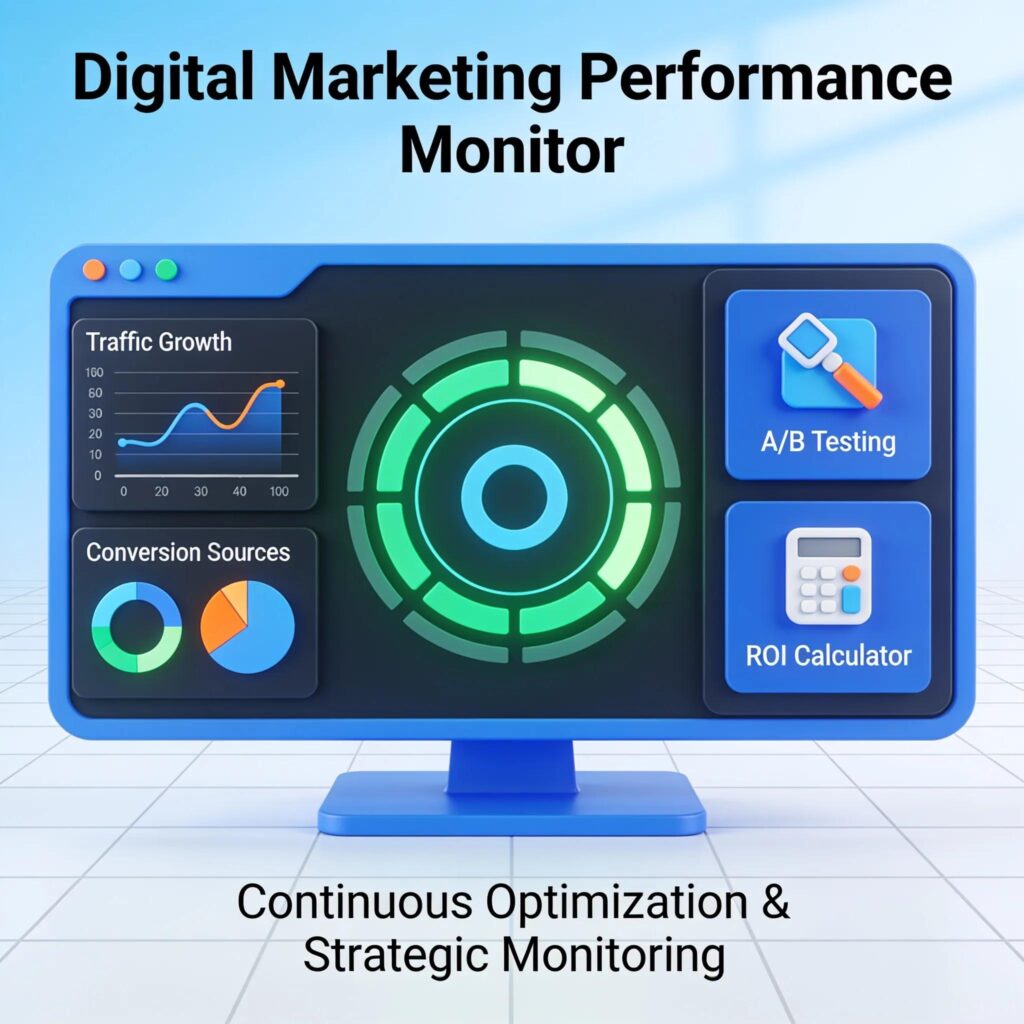
Key Performance Indicators: Entity Coverage, SERP Features, and Knowledge Panel Acquisition
Key performance indicators (KPIs) for GEO strategies include entity coverage, the presence of relevant search engine results page (SERP) features, and knowledge panel acquisition. Assessing these metrics provides insight into how well content aligns with user queries and how effectively it captures attention on search engines. Regular analysis can highlight areas for improvement, ensuring content remains competitive.
Tools and Techniques for Semantic SEO Audits and AI Algorithm Updates Monitoring
Utilizing tools for semantic SEO audits helps identify gaps in content coverage and SEO effectiveness. Such tools can monitor changes in AI algorithms, providing businesses insights into necessary adjustments. Techniques like regular content review and update enable alignment with emerging search trends, enhancing overall visibility and engagement.
Which Emerging Trends and Competitor Insights Should Shape Your GEO Approach in 2026?
As the landscape of search engines evolves, staying informed about emerging trends and competitor insights is essential for refining GEO strategies.
Evaluating Competitor Strategies in AI-Driven Search Optimization
Recognizing the strategies adopted by competitors in AI-driven search optimization can reveal gaps and opportunities. Analyzing their content approaches, keyword usage, and multimedia integration may provide pathways to enhance your own strategies. By understanding what works well for others, businesses can adopt best practices that align with current market demands.
Adapting to 2026 AI Search Algorithm Changes and Knowledge Graph Dynamics
The anticipatory adaptation to AI search algorithm changes is vital for maintaining an effective GEO strategy. As algorithms grow more sophisticated, understanding dynamics in knowledge graphs and how entities are related will be paramount. This foresight allows businesses to preemptively align their content with evolving search priorities, ensuring they remain relevant.